fiebichpvJune 5, 2017, 10:03pm
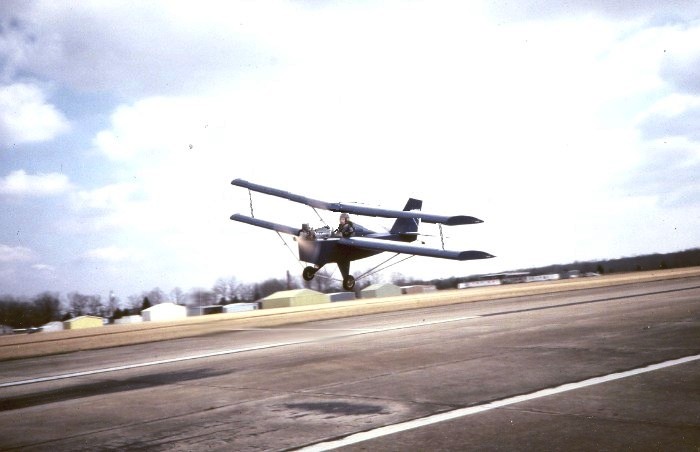
I always like to travel by AirBike to a fly-in. Typically, if I don't fly it is because of weather. But not this time, the weather was perfect. However, by not having done some preventative AirBike maintenance in advance of the trip, I decided to drive instead of fly to the National Biplane Fly-in. Safety first.
Junction City, Kansas is about 130 mile drive from Derby, Kansas. With a few exceptions it is the same route driving as flying, both take me through the Flint Hills. The rolling hills and grasslands are beautiful this time of year, everything is fresh and new. It was an enjoyable drive.
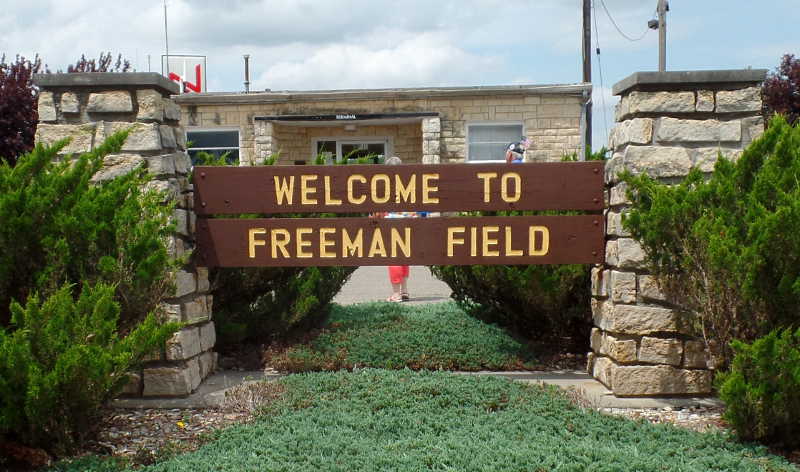
Freeman Field (3JC) in Junction City boasts three runways; two concrete, one intersecting sod, and one sod adjacent to a concrete one. This combination makes for very favorable take off and landing directions and a choice of surfaces. The turf is ideal for taildraggers which almost always land on them when available.
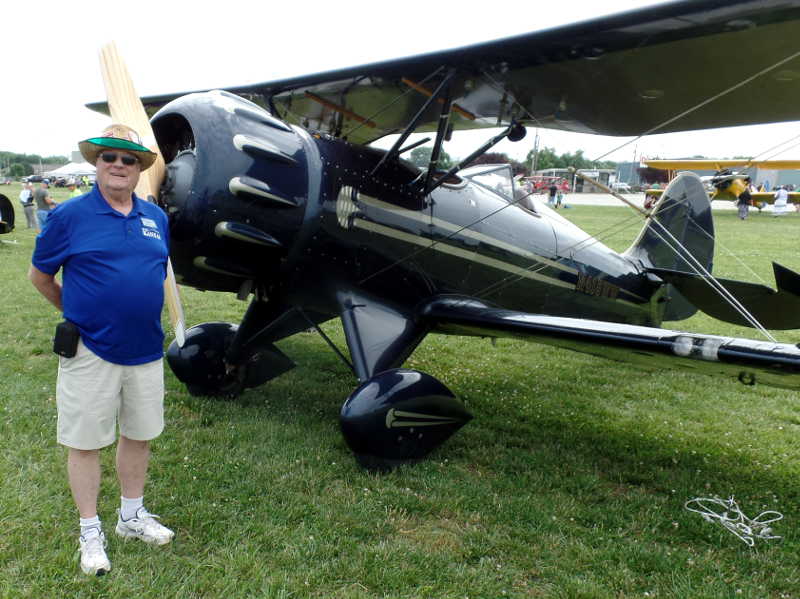
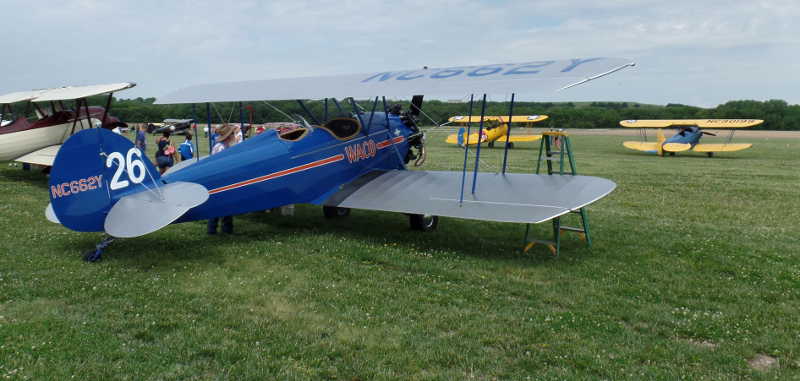
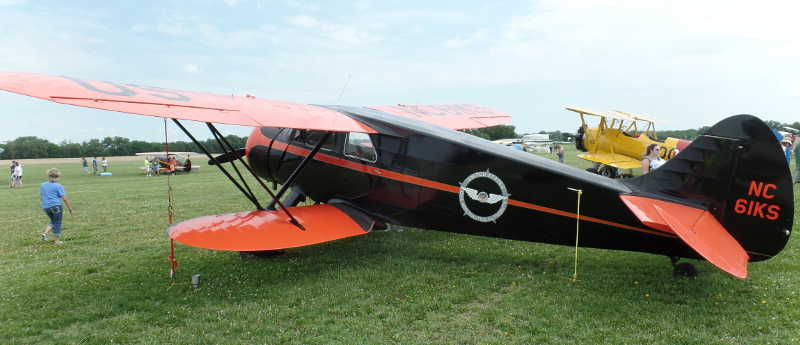
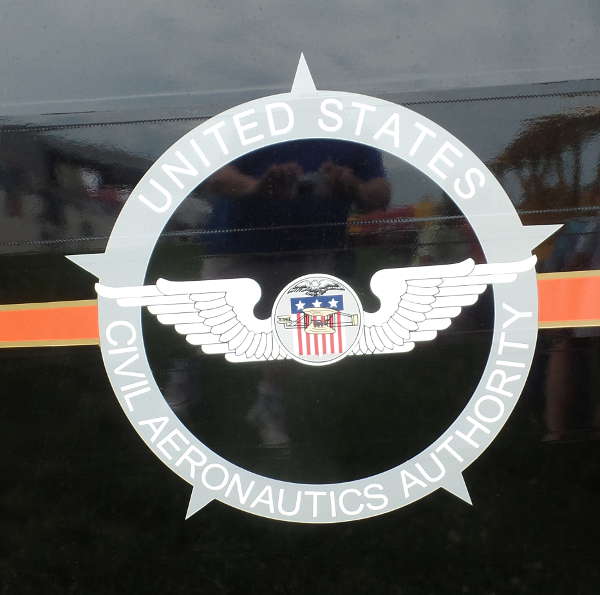
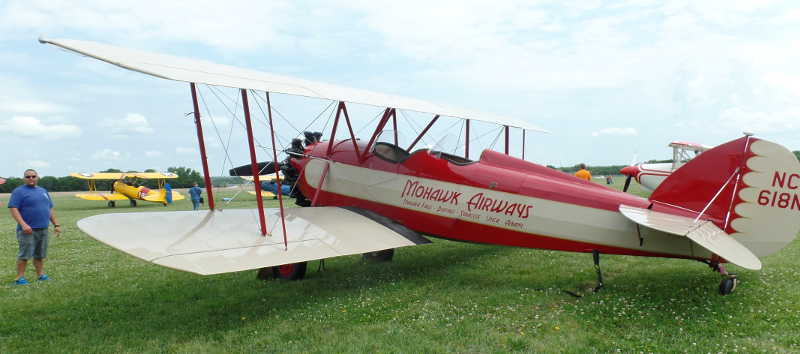
About 25 biplanes flew in, one from as far away as California! Another came from Breverton, Washington. Some were local, traveling as few as 25 miles. The black Civil Aeronautics Authority and Mohawk Airways WACOs were hangard on Freeman Field.
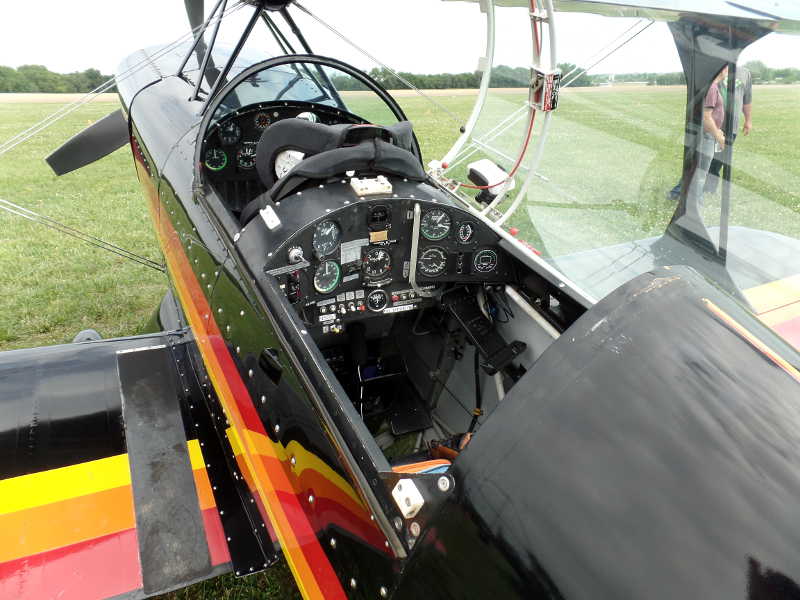
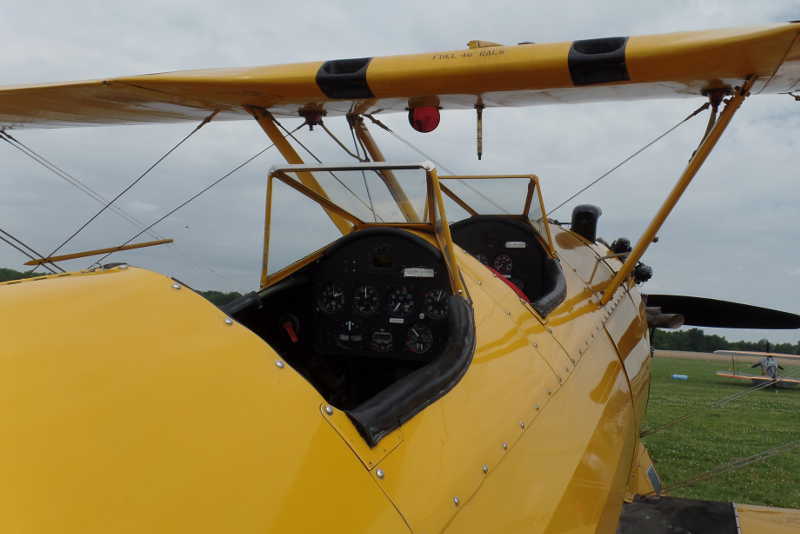
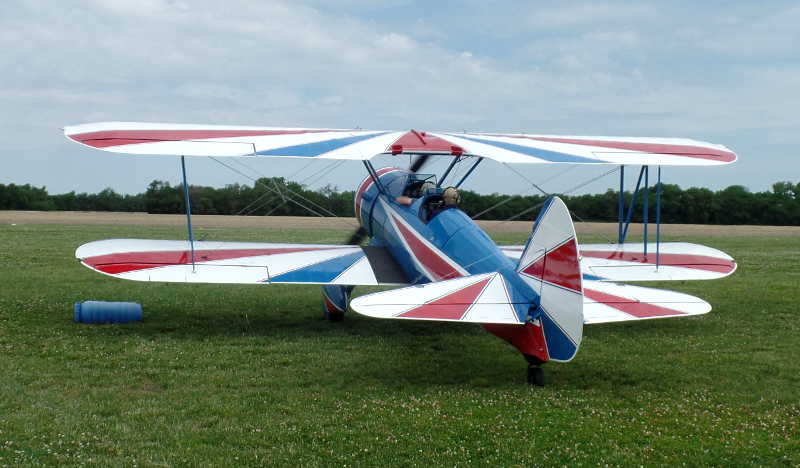
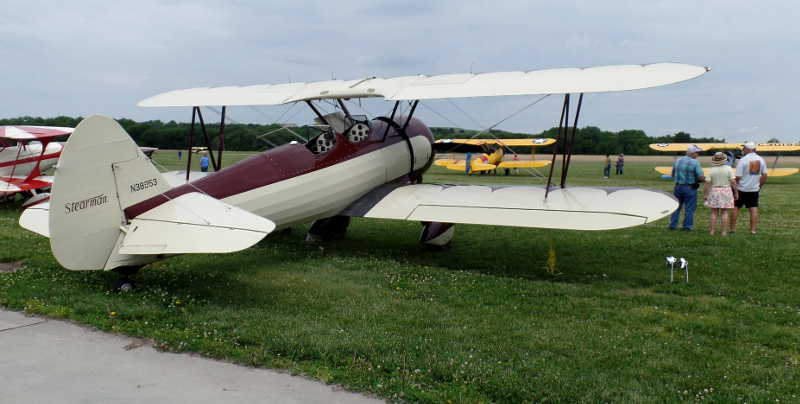
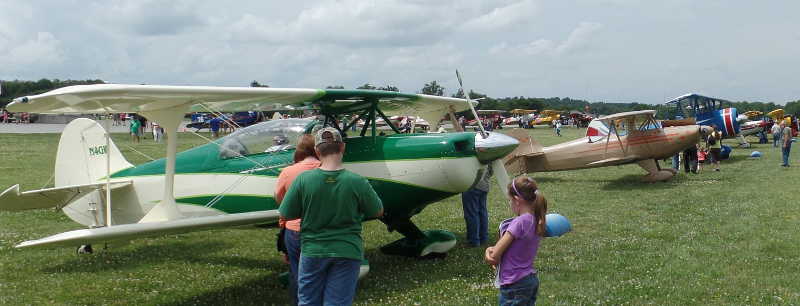
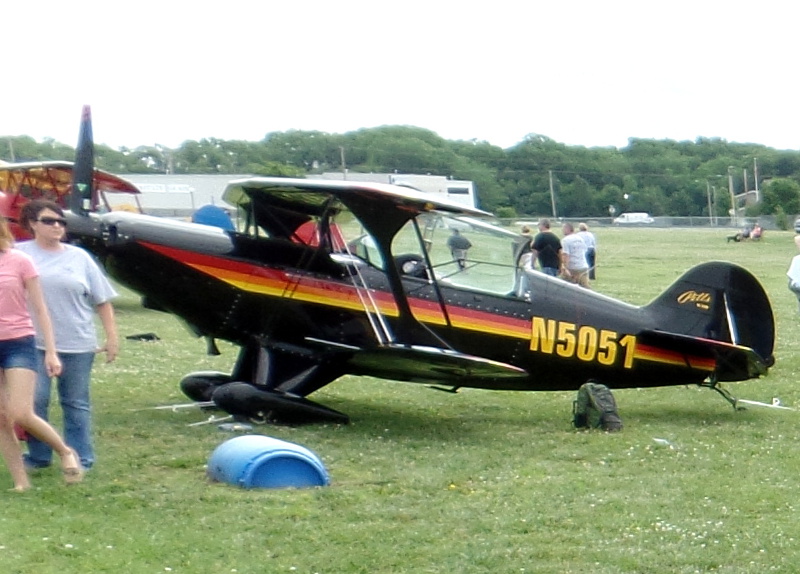
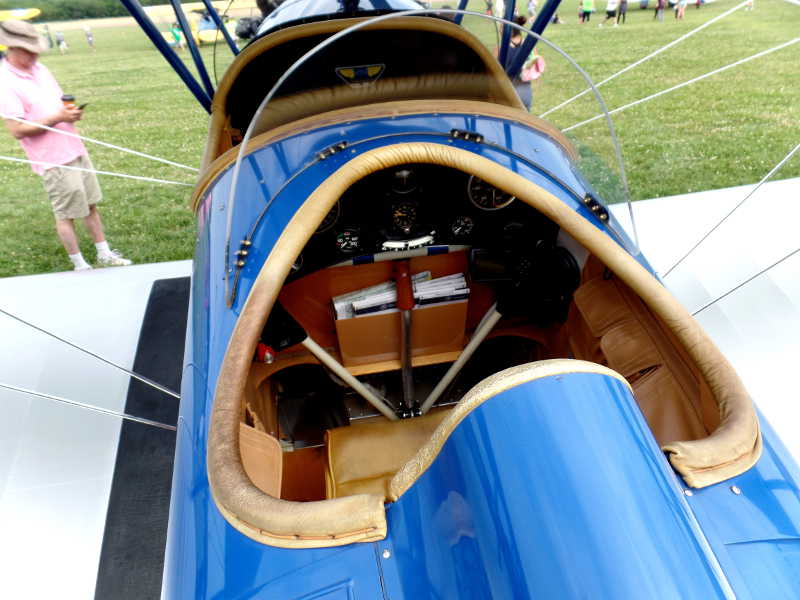
As the photos show, there were quite a variety of brands. One in particular caught my eye. A 1940 Meyers OTW (Out To Win) powered by a Kinner R5-Series engine. I had a ride in a similar one about 20 years ago, it was my second ride in an open cockpit plane. This model was in contention with the government to meet the specifications that the Stearman Kaydet eventually captured.
By noting the planes' tail numbers, then logging onto the FAA Aircraft Registration inquiry, http://registry.faa.gov/aircraftinquiry/ you can find more information about the pictured planes.
There always seemed to be a biplane in the air, or someone taxing to get fuel. It is enjoyable to listen to the radial engines start up, run, then the sound-breaking noise their prop tips make during takeoff.
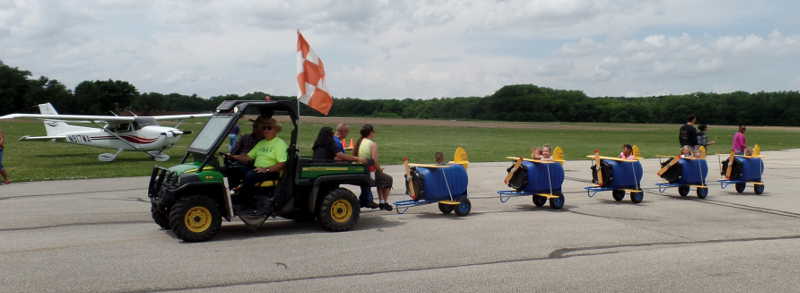
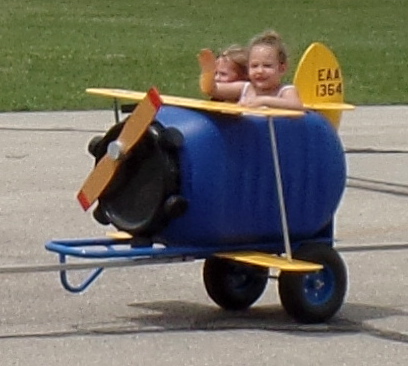
One series of "planes" always flew in trail. And they never did really take off but I am sure the occupants felt they were going to. Look closely at the planes as they taxied around the ramp. Can you see the components from which they were made? Very clever! The only abnormality I saw was all the engines were 6-cylinder radials.
Perhaps these were the only planes on which the unreliable 6-cylinder Curtis Challenger engine could be used?
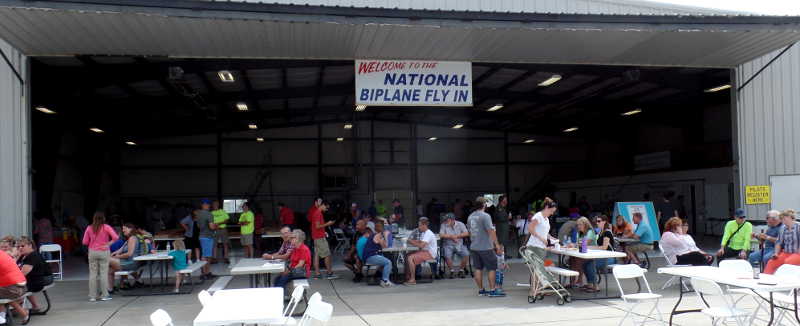
The day was absolutely beautiful, wind was less than 5 mph, temperature was about 80 degrees F and the sky was blue with an occasional cloud. Spectators could walk among the aircraft or take a break in the hangar where vendors and activities were located. A food truck was on the ramp and an indoor food vendor was inside.
I understand a new food vendor was scheduled for an appearance but was delayed because he had to make an emergency side trip for biological reasons. He was selling beef, chicken, and liver pate`. Since his vehicle was mobile, its name was "The Porta-Pate`."
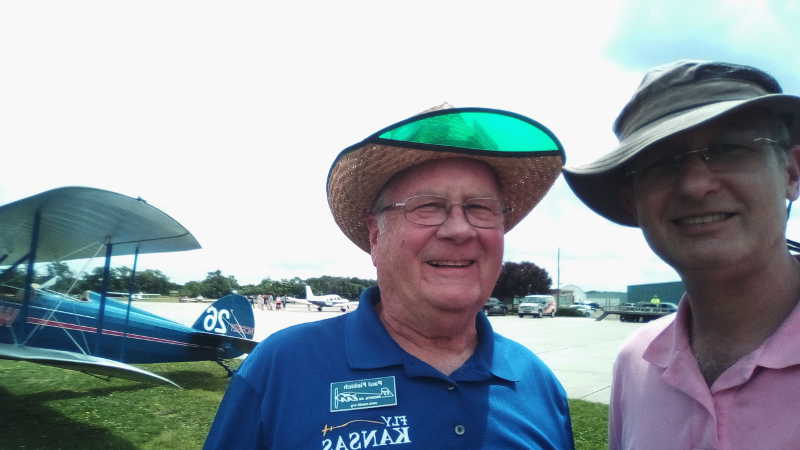
OK, back to the aircraft. Enjoy looking at some of the aircraft that I saw. My son John traveled with me on this road trip. That made it all the more enjoyable.
More photos in the following panel
Paul Fiebich
Junction City, Kansas is about 130 mile drive from Derby, Kansas. With a few exceptions it is the same route driving as flying, both take me through the Flint Hills. The rolling hills and grasslands are beautiful this time of year, everything is fresh and new. It was an enjoyable drive.
Freeman Field (3JC) in Junction City boasts three runways; two concrete, one intersecting sod, and one sod adjacent to a concrete one. This combination makes for very favorable take off and landing directions and a choice of surfaces. The turf is ideal for taildraggers which almost always land on them when available.
About 25 biplanes flew in, one from as far away as California! Another came from Breverton, Washington. Some were local, traveling as few as 25 miles. The black Civil Aeronautics Authority and Mohawk Airways WACOs were hangard on Freeman Field.
As the photos show, there were quite a variety of brands. One in particular caught my eye. A 1940 Meyers OTW (Out To Win) powered by a Kinner R5-Series engine. I had a ride in a similar one about 20 years ago, it was my second ride in an open cockpit plane. This model was in contention with the government to meet the specifications that the Stearman Kaydet eventually captured.
By noting the planes' tail numbers, then logging onto the FAA Aircraft Registration inquiry, http://registry.faa.gov/aircraftinquiry/ you can find more information about the pictured planes.
There always seemed to be a biplane in the air, or someone taxing to get fuel. It is enjoyable to listen to the radial engines start up, run, then the sound-breaking noise their prop tips make during takeoff.
One series of "planes" always flew in trail. And they never did really take off but I am sure the occupants felt they were going to. Look closely at the planes as they taxied around the ramp. Can you see the components from which they were made? Very clever! The only abnormality I saw was all the engines were 6-cylinder radials.
Perhaps these were the only planes on which the unreliable 6-cylinder Curtis Challenger engine could be used?
The day was absolutely beautiful, wind was less than 5 mph, temperature was about 80 degrees F and the sky was blue with an occasional cloud. Spectators could walk among the aircraft or take a break in the hangar where vendors and activities were located. A food truck was on the ramp and an indoor food vendor was inside.
I understand a new food vendor was scheduled for an appearance but was delayed because he had to make an emergency side trip for biological reasons. He was selling beef, chicken, and liver pate`. Since his vehicle was mobile, its name was "The Porta-Pate`."
OK, back to the aircraft. Enjoy looking at some of the aircraft that I saw. My son John traveled with me on this road trip. That made it all the more enjoyable.
More photos in the following panel
Paul Fiebich